
Building an Airport Sensory Kit
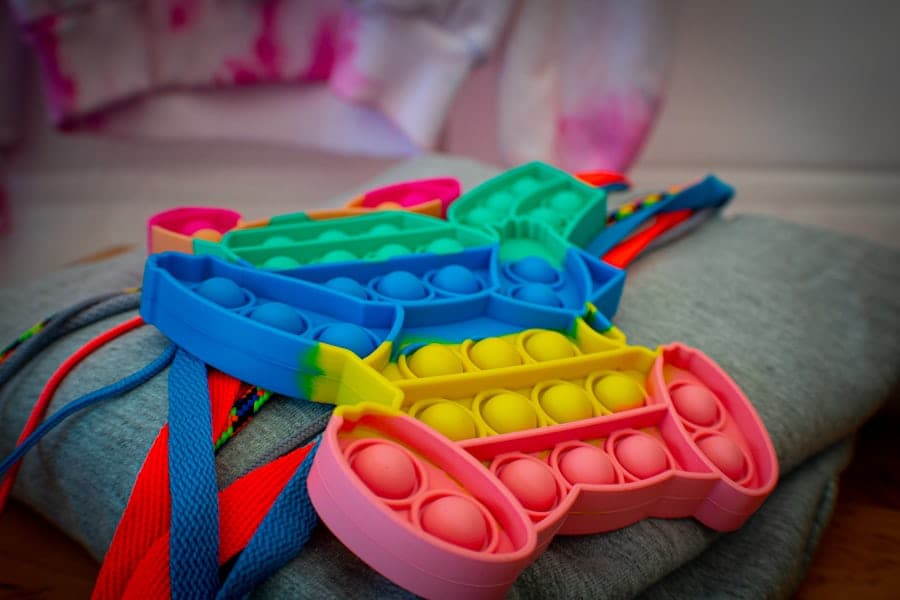
Airports combine several sensory stressors at once: constant announcements, fluorescent lighting, crowd noise, unfamiliar textures (security trays, scanner surfaces), and long stretches of unpredictable waiting. A sensory kit won't remove these, but it gives you tools to reduce their impact in the moment. Organize your kit around the specific sense it's meant to support, rather than packing generically.
For sound
- Noise-reducing headphones or earplugs. Over-ear headphones (with or without music/white noise playing) are usually more effective at reducing overall volume than earbuds.
- A charged phone or dedicated player with pre-downloaded audio (offline playlists, white noise, or an audiobook) so you're not dependent on airport wifi.
For light
- Sunglasses or tinted glasses, even indoors, if fluorescent lighting is a trigger. Many quiet rooms dim lighting, but gate areas and security halls typically don't.
- A cap or hood for additional control over your visual field in bright or visually busy areas.
For touch and texture
- A familiar fidget item that's small enough to go through security without issue (check current security rules if you're unsure about a specific item).
- A soft item of clothing or small blanket/scarf for the flight itself, especially useful if cabin materials or temperature are uncomfortable.
For unpredictability
- A written itinerary (see our pre-trip planning guide) so the sequence of the day is known in advance rather than discovered in real time.
- A charged battery pack. Low phone battery removes access to your itinerary, audio, and communication with travel companions at exactly the moment you may need them most.
- A card or note (physical or on your phone) that briefly explains what support you might need, for moments when speaking is harder than usual.
For the body
- Snacks you already know you'll eat. Unfamiliar or delayed food options are a common, avoidable stressor.
- A refillable water bottle (empty through security, filled after).
- Any regular medication, packed in carry-on rather than checked luggage, with enough buffer for delays.
Packing it so it's usable, not just present
A sensory kit only helps if you can access it without unpacking your entire bag in a crowded gate area. Keep it together in one small pouch near the top of your carry-on, and know before you travel which airports on your route have a quiet room or sensory room where you could use these items with more space and less scrutiny. Our airport directory lists this where it's documented.